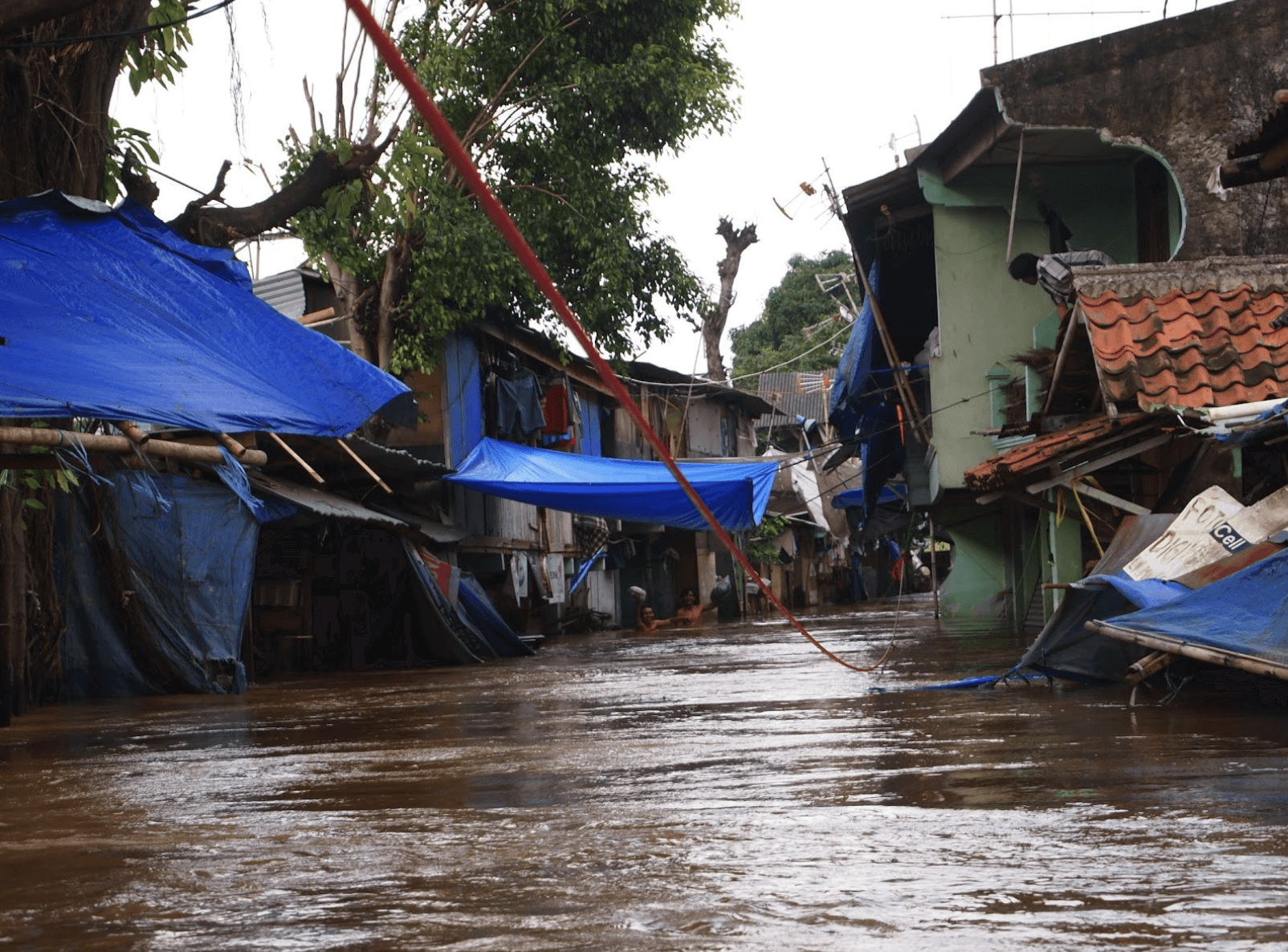
If catastrophe is the past coming apart, anastrophe is the future coming together.
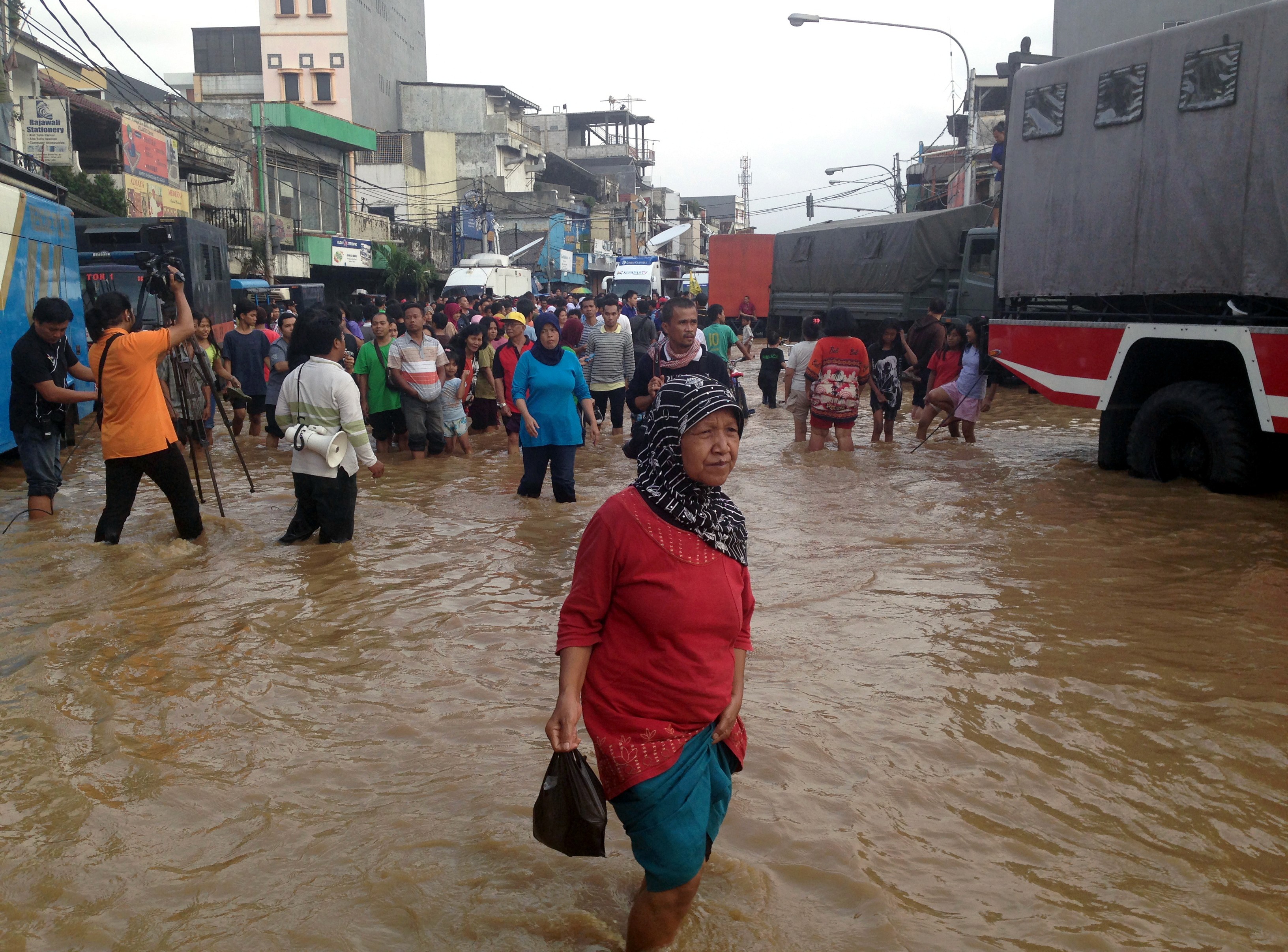
Developed over years of field research by Helpmap Founder Dr. Etienne Turpin, anastrophic design is a framework for building collective capacity in a world shaped by environmental disruption and uncertainty. Rather than assuming that disasters can always be prevented, or that recovery simply means returning to the way things were, this approach asks how communities can come together to create new possibilities for the future through readiness and anticipation.
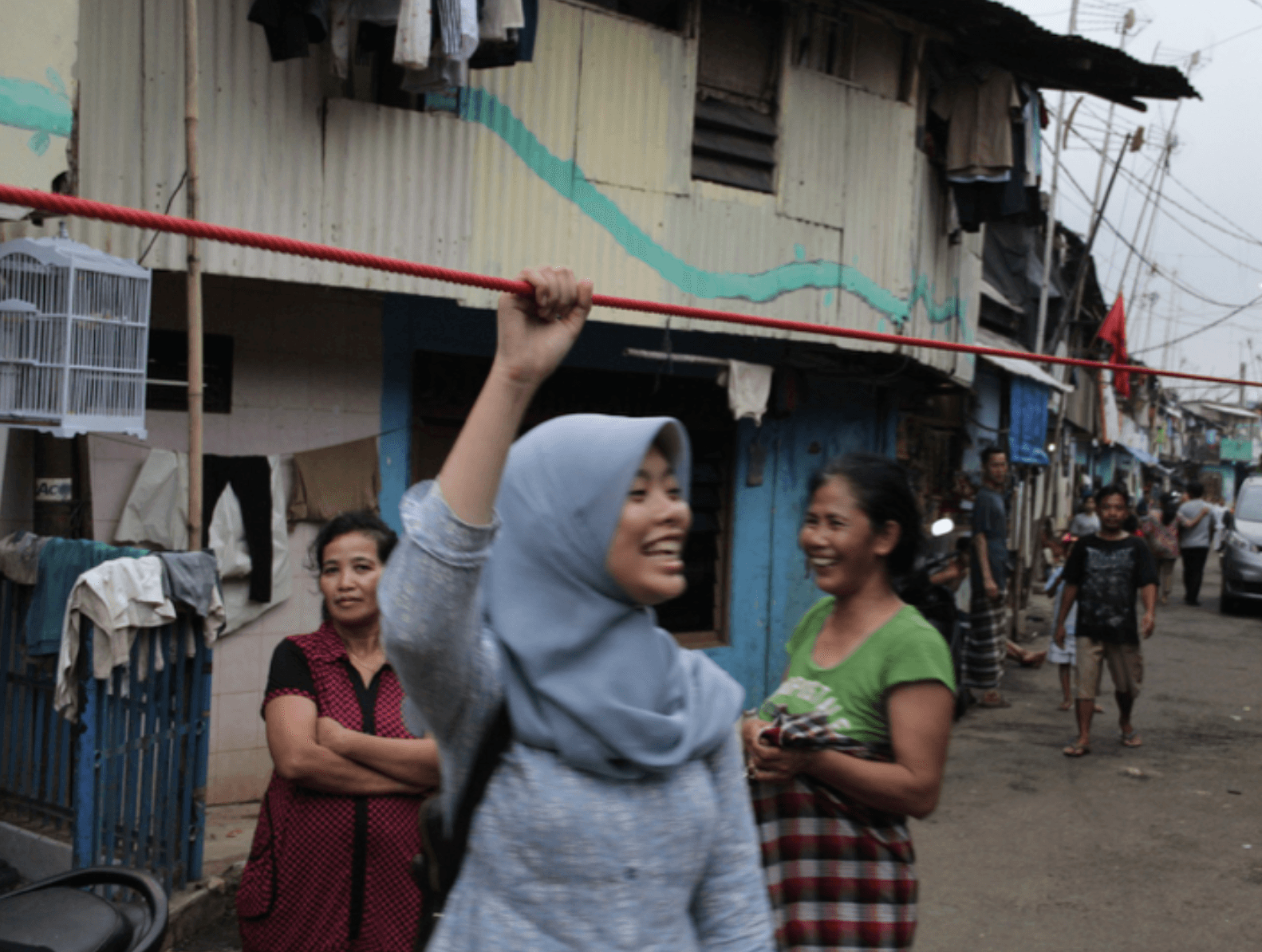
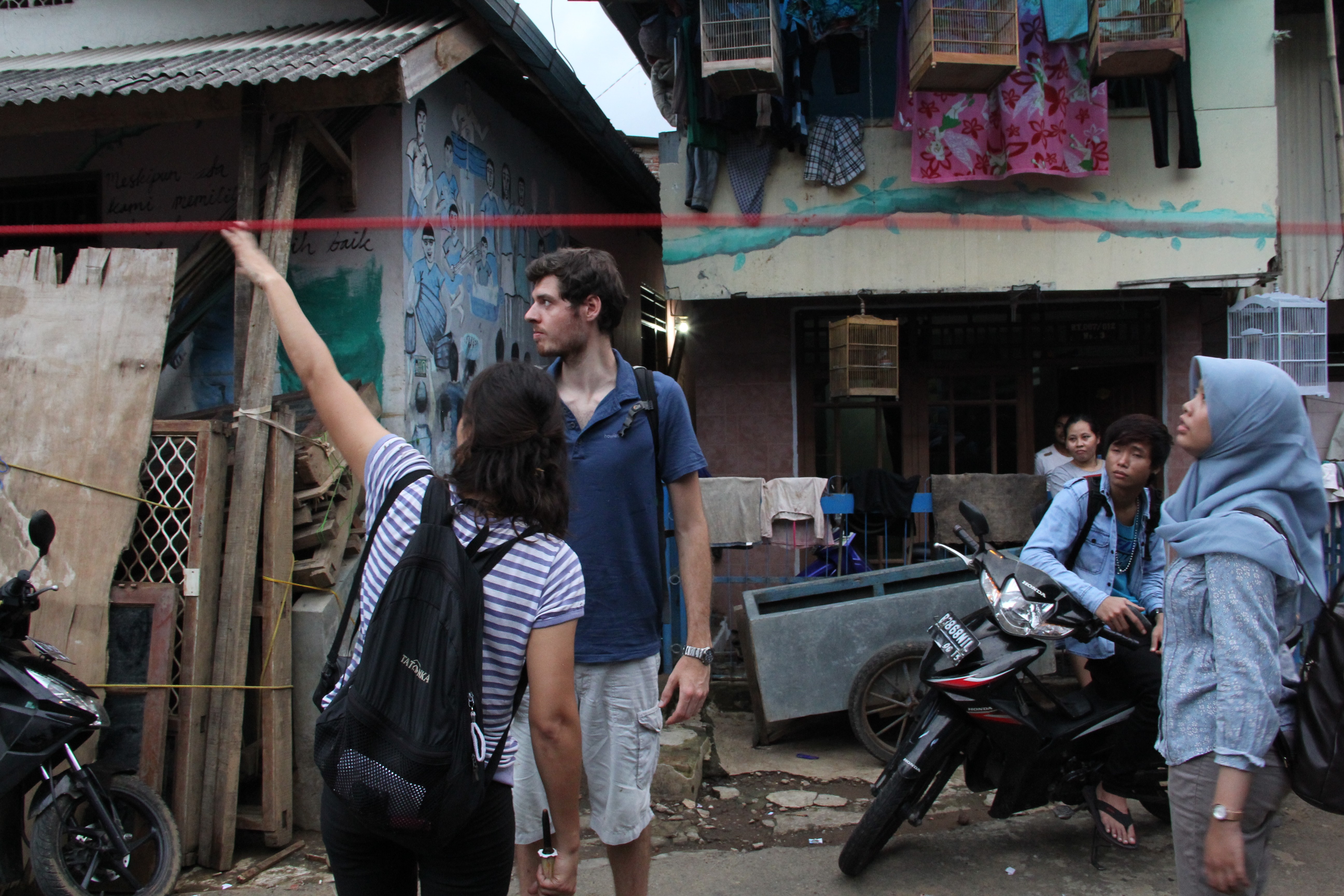
Anastrophic design begins with the knowledge, relationships, and capacities that already exist within communities. It brings residents, researchers, designers, government agencies, and humanitarian organizations into equitable collaboration, connecting local experience with technical expertise and institutional resources. Its purpose is not to predict the future, but to develop the shared infrastructure that allows people to anticipate change, respond creatively, and act together when incumbent systems are disrupted or incapacitated.
For Helpmap Agency, this philosophy informs our commitment to open-source technology, participatory design, research, education, and community-led adaptation. CogniCity OSS is one emblematic expression of this approach: transforming individual observations into shared public information that can support coordination, mutual aid, and collective action.
Anastrophic design is fundamentally about what we can build together. By recognizing that communities are not merely vulnerable populations awaiting assistance, anastrophic design involves residents as active participants in shaping their own futures. By connecting their knowledge and capacities, we develop the tools, relationships, and institutions needed to prepare for change, respond to emergencies, and care for one another with dignity and compassion.